
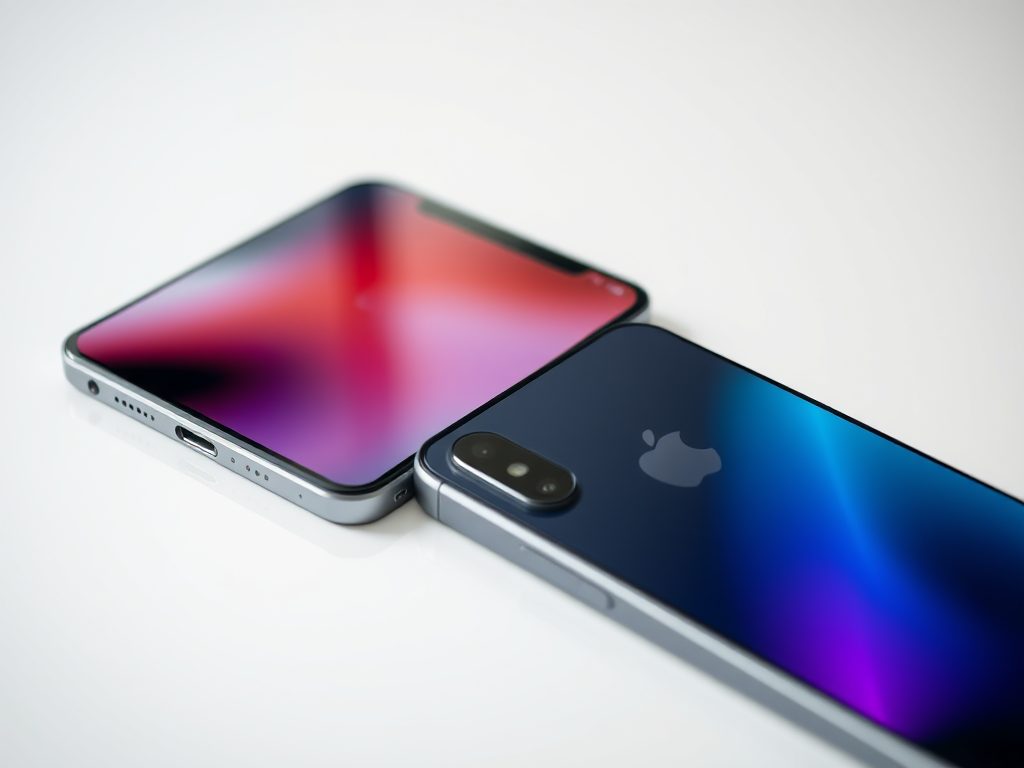
The world of smartphones is dominated by two giants: Android and iPhone. Both operating systems have their own unique features, advantages, and disadvantages. The choice between an Android device and an iPhone depends on various factors, including personal preferences, budget, and specific needs. In this post, we’ll delve into the differences between Android and iPhone, exploring their pros and cons, and help you decide which one is best for you.

Android: The Open-Source Option
Android is an open-source operating system developed by Google. It offers a wide range of devices from various manufacturers, such as Samsung, Google, OnePlus, and Xiaomi, among others. This diversity in devices leads to varying prices, features, and specifications, making Android a more affordable option for many users.

Pros of Android:
- Customization: Android offers more customization options compared to iPhone. Users can personalize their home screens, icon packs, and launchers to suit their tastes.
- Price: Android devices are generally more affordable than iPhones, with a wider range of price options available.
- Hardware variety: Android devices come in different shapes, sizes, and specifications, giving users more choices to fit their needs.
- Google services integration: Android is developed by Google, which means that Google services like Google Drive, Google Photos, and Google Maps are deeply integrated into the operating system.
- Expandable storage: Many Android devices offer expandable storage options, such as microSD cards, which can increase storage capacity.
Cons of Android:
- Fragmentation: The open-source nature of Android leads to fragmentation, which means that different devices run different versions of the operating system. This can lead to inconsistent user experiences and slower updates.
- Security: Android’s open-source nature also makes it more vulnerable to malware and viruses, as devices can be more easily rooted and infected.
- Software updates: Android devices often receive software updates later than iPhones, as manufacturers need to modify and test the updates for their specific devices.
- Quality control: The wide range of Android devices can lead to varying levels of quality control, resulting in some devices being more prone to defects or performance issues.
iPhone: The Exclusive Option

iPhone is a proprietary operating system developed by Apple. It’s exclusive to Apple devices, which are known for their sleek design, user-friendly interface, and high-quality hardware.
Pros of iPhone:
- Ease of use: iPhones are generally easy to use, with an intuitive interface and a seamless user experience.
- Security: iPhones are considered to be more secure than Android devices, thanks to their closed ecosystem and strict app review process.
- Hardware and software optimization: Apple designs both the hardware and software for their devices, resulting in optimized performance and efficiency.
- Ecosystem: iPhone users can easily integrate their devices with other Apple products, such as Macs, iPads, and Apple Watches, using services like iCloud and Continuity.
- App quality: iPhone apps are often of higher quality and more polished than their Android counterparts, thanks to Apple’s strict review process.
Cons of iPhone:
- Cost: iPhones are generally more expensive than Android devices, especially the flagship models.
- Limited customization: iPhone users have limited options for customizing their devices, as Apple prioritizes a consistent user experience.
- No expandable storage: iPhones do not offer expandable storage options, which can be a limitation for users who need more storage space.
- No headphone jack: iPhones no longer have a headphone jack, which can be inconvenient for users who prefer wired headphones.
- Limited device choices: iPhone users are limited to the devices offered by Apple, which can be restrictive for users who want more choices.
Which One is Best: Android or iPhone?
The answer ultimately depends on your individual needs and preferences. If you value customization, affordability, and a wide range of device options, Android might be the better choice. However, if you prioritize ease of use, security, and a seamless user experience, iPhone could be the better option.
For Android users:
- If you’re already invested in the Google ecosystem and want a device that integrates well with Google services, Android is a great choice.
- If you’re looking for a device with a specific feature, such as a headphone jack or expandable storage, Android offers more options.
- If you’re on a budget, Android devices can offer more affordable options without compromising on features.
For iPhone users:
- If you value ease of use and a seamless user experience, iPhone is a great choice.
- If you’re already invested in the Apple ecosystem and want to integrate your devices, iPhone is a great option.
- If you prioritize security and are willing to pay a premium for a high-quality device, iPhone is a great choice.
Conclusion
The debate between Android and iPhone ultimately comes down to personal preferences and needs. Both operating systems have their strengths and weaknesses, and the best choice for you will depend on what matters most to you. If you value customization, affordability, and device variety, Android might be the better choice. However, if you prioritize ease of use, security, and a seamless user experience, iPhone could be the better option. Ultimately, the most important thing is to choose a device that makes you happy and meets your needs.


Leave a Reply